
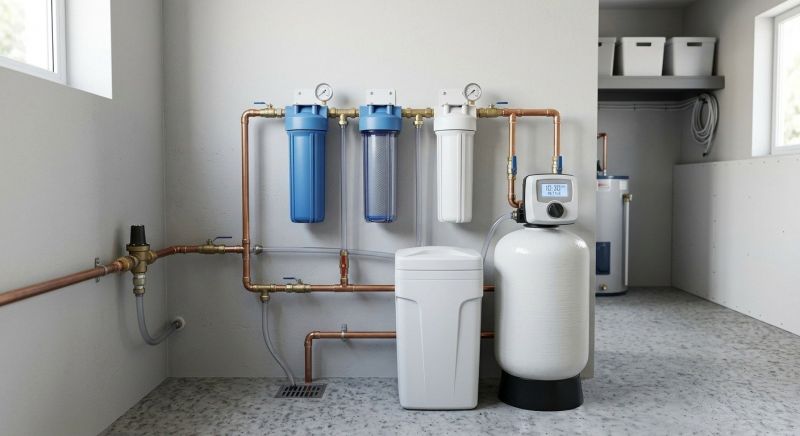
Residential Water Treatment in Raleigh, NC
Residential water treatment services focus on improving the quality and safety of the water supply within a home. These projects often include installing or upgrading systems such as water softeners, filtration units, and reverse osmosis systems to remove contaminants, minerals, and impurities. Homeowners typically seek these services to address issues like hard water, unpleasant tastes or odors, sediment buildup, or concerns about contaminants like chlorine, lead, or bacteria. Understanding the specific water quality concerns, the size of the household, and the types of pollutants present can help property owners determine the most suitable treatment options for their needs.
Before requesting residential water treatment services, property owners should consider the current condition of their water supply and any health or aesthetic issues they experience. It’s helpful to obtain a water analysis to identify specific contaminants or mineral levels. Additionally, understanding the ongoing maintenance requirements, system lifespan, and potential impacts on plumbing or appliances can inform decision-making. Clear communication about water usage patterns and desired outcomes ensures that the selected treatment solutions effectively meet the household’s needs.
Many property owners in Raleigh, NC look into Residential Water Treatment for repairs, replacements, upgrades, and appearance-related improvements.
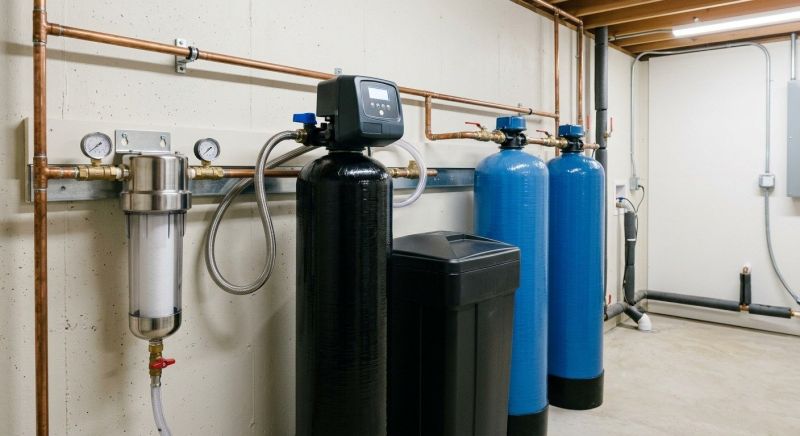
Water Filtration Systems
Installing systems that improve water quality for everyday household use.
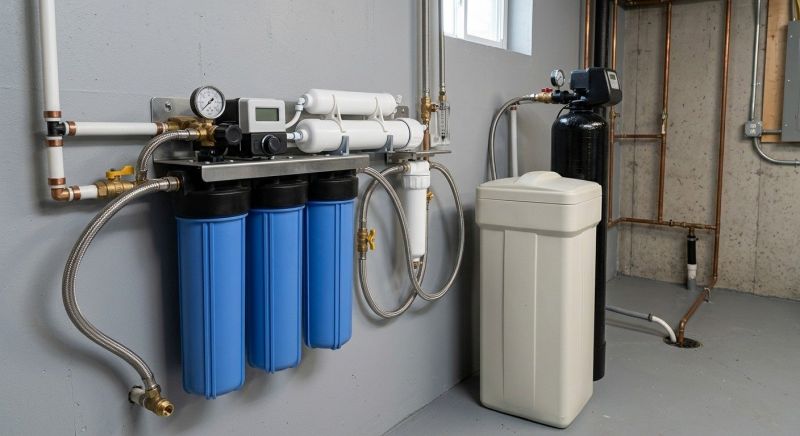
Water Softening Solutions
Reducing mineral buildup to protect plumbing and appliances in homes around raleigh.
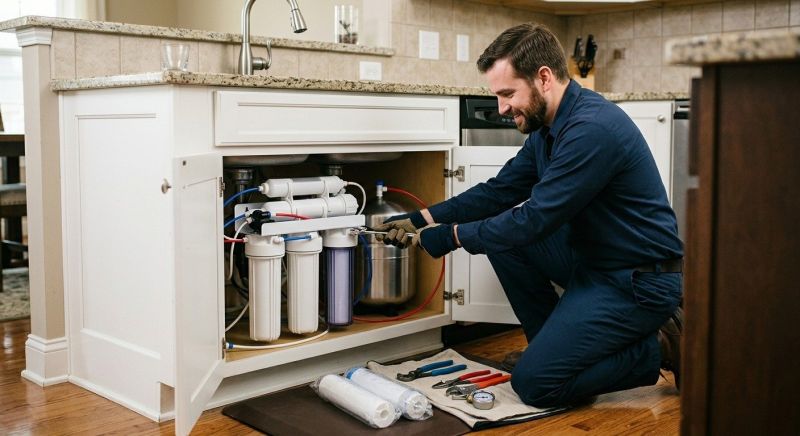
Well Water Treatment
Addressing common issues like iron, sulfur, and bacteria in private well supplies.
Residential Water Treatment in Raleigh, NC

Residential water treatment services focus on improving the quality and safety of the water supply within a home. These projects often include installing or upgrading systems such as water softeners, filtration units, and reverse osmosis systems to remove contaminants, minerals, and impurities. Homeowners typically seek these services to address issues like hard water, unpleasant tastes or odors, sediment buildup, or concerns about contaminants like chlorine, lead, or bacteria. Understanding the specific water quality concerns, the size of the household, and the types of pollutants present can help property owners determine the most suitable treatment options for their needs.
Before requesting residential water treatment services, property owners should consider the current condition of their water supply and any health or aesthetic issues they experience. It’s helpful to obtain a water analysis to identify specific contaminants or mineral levels. Additionally, understanding the ongoing maintenance requirements, system lifespan, and potential impacts on plumbing or appliances can inform decision-making. Clear communication about water usage patterns and desired outcomes ensures that the selected treatment solutions effectively meet the household’s needs.
Many property owners in Raleigh, NC look into Residential Water Treatment for repairs, replacements, upgrades, and appearance-related improvements.
Common Residential Water Treatment Jobs
Water softening systems - reduce mineral buildup for softer, cleaner water throughout the home.
Filtration systems - remove contaminants and improve water clarity for better taste and safety.
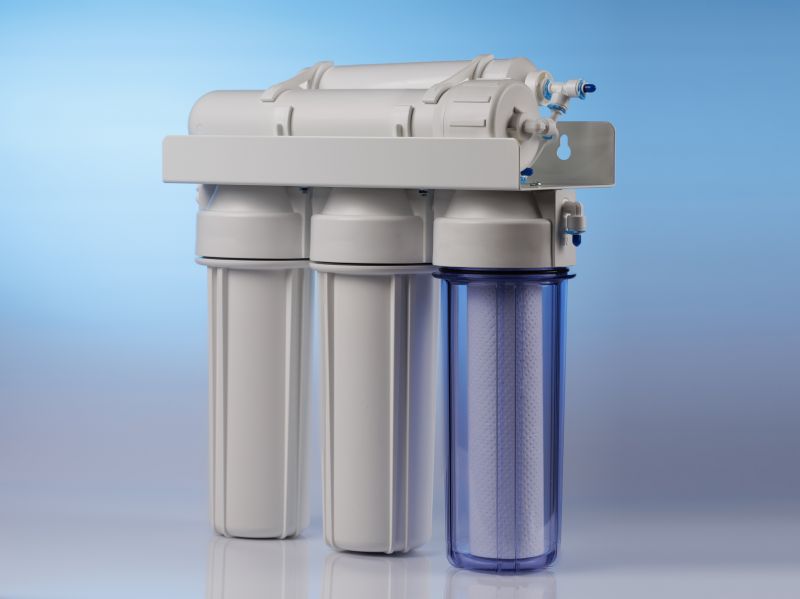
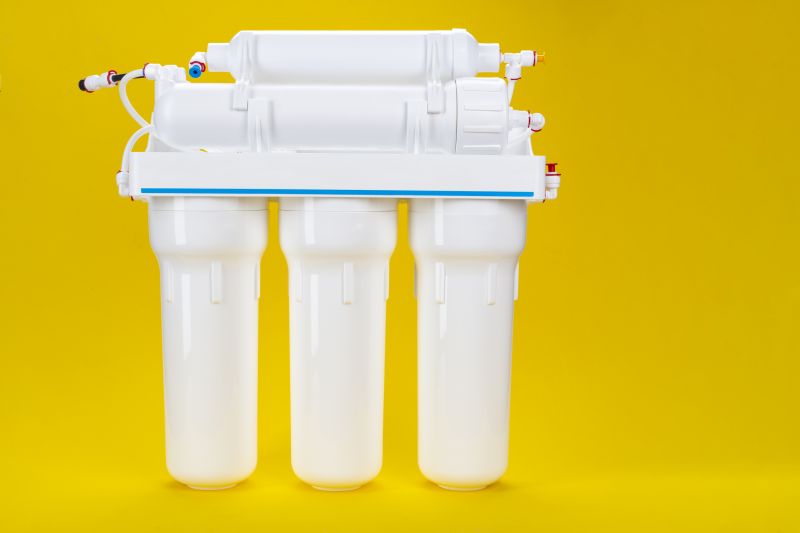
Reverse osmosis units - provide purified drinking water by removing impurities at the point of use.
UV disinfection systems - eliminate bacteria and viruses to ensure water is microbiologically safe.
Iron and sulfur removal - address common well water issues that cause staining and odors.
Whole-house water treatment - improve water quality for all taps and appliances in the property.
Residential Water Treatment Questions
What is residential water treatment? It involves installing systems to improve water quality by removing contaminants and impurities for better taste, safety, and clarity.
What types of water treatment systems are available? Common options include water softeners, filtration units, and reverse osmosis systems to address different water quality concerns.
How do I know if my water needs treatment? Signs include unusual taste, odor, discoloration, or mineral buildup on fixtures, indicating potential water quality issues.
What benefits does water treatment provide? It can enhance water taste, reduce mineral buildup, protect plumbing, and improve overall water safety for household use.
Request Residential Water Treatment in Raleigh, NC
Use the quote form on this page to share the basics of your project and request more information for the type of work you need.